Skip to content



“We don’t need an app for our event.”
You hear this a lot – and it’s understandable. Many people still associate event apps with complex development projects, high budgets and long lead times. The idea is that it involves months of planning and coordination with developers, only to end up with a solution that might not even be used properly.
But this very image is outdated.
The reality in 2026 looks very different. Modern event apps are modular, readily available and scale to meet your needs. They can be adapted just as easily to small workshops as to large-scale international events. Above all, however, they take the pressure off rather than creating additional complexity.
Event organisers are under increasing pressure these days. Content needs to be adapted at short notice, participants expect everything to run smoothly, and at the same time, events are expected to be measurably more successful. Traditional solutions quickly reach their limits in this regard.
The key question, therefore, is no longer whether an event app is a good idea.
Rather:
Which type of event app best suits your objectives, the scale of your event and your budget?
Common objections to event apps
Many reservations about event apps are based on past experiences or on false assumptions. A closer look reveals that most of these objections can now be clearly refuted.
“That’s too much hassle”
This objection often stems from a time when an event app almost automatically meant a bespoke development project. Consequently, the effort involved, the coordination required and the lead time were indeed considerable.
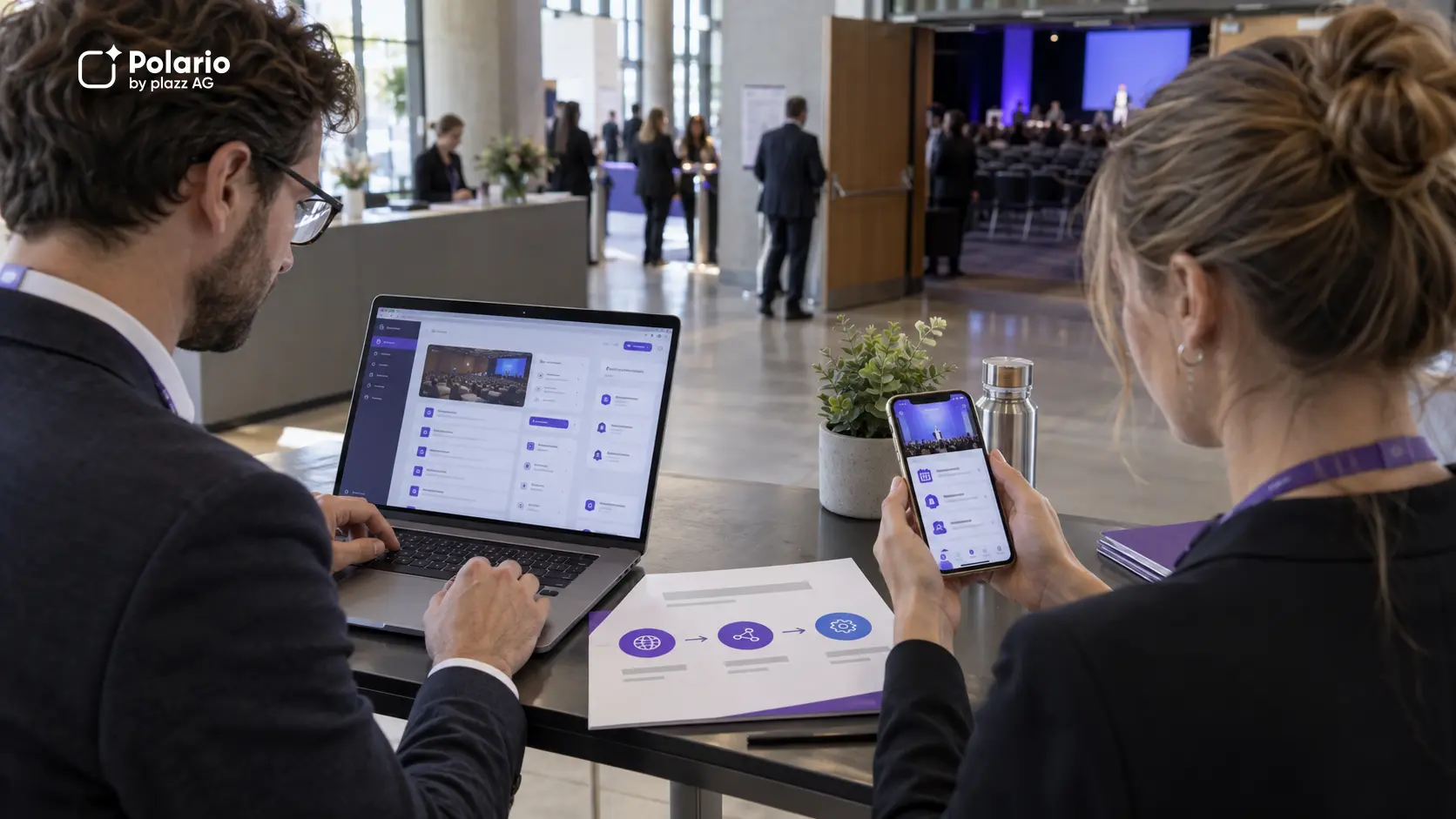
Today, things are different in many cases. Web apps and pre-configured solutions, in particular, can be set up in no time at all. Content such as the agenda, speaker details and venue maps can simply be entered and is available immediately.
What’s more, the effort involved doesn’t disappear simply because you don’t use an app. It just shifts elsewhere. Information still needs to be coordinated, changes communicated and participants guided – often across multiple channels at the same time. In practice, this is precisely what often makes the organisation more labour-intensive than a centralised digital solution.
“That’s too expensive”
The question of cost is a valid one – but it is often viewed too narrowly. Anyone who compares an event app solely with individual expenses such as printing or materials is missing the point. The real economic benefit usually lies not in saving on a few flyers, but in improved processes, reduced friction losses and greater added value for participants and organisers.
An event app can centralise processes, communicate changes more quickly and significantly improve participant management. This reduces the operational workload for the team, cuts down on on-site enquiries and eliminates the need to organise information across multiple channels simultaneously. This results in a noticeable increase in efficiency, particularly for more complex or recurring events.
Added to this is the business value: when attendees find more relevant content, network more easily, are guided through the event in a more structured way and engage more actively with the format, the overall quality of the event improves. This has a positive impact on satisfaction, repeat attendance, lead generation and brand perception.
The key question, therefore, is not just how much an event app costs, but what benefits it delivers. Those who focus solely on comparing individual costs often underestimate the real impact: less chaos, better communication, more interaction and, overall, a more effective event.
“Our target audience doesn’t use that”
This objection is often raised – particularly when dealing with target groups perceived as less digitally savvy or more conservative. It is usually based on the assumption that participants do not want to install an app or do not actively use digital solutions.
In practice, the problem is usually not the target audience, but the barrier to entry. That is precisely why modern event apps are designed to make access as easy as possible: often via a QR code, directly in the browser, with no download or registration required.
Ultimately, it’s the practical benefits that matter. If participants can find information more quickly, plan their personal schedules more effectively and see changes immediately, they will actually use the solution. Not because it’s an app, but because it makes day-to-day event management easier.
“A simple solution is enough, isn’t it?”
That may be true for very basic requirements. If the aim is simply to provide a little information, a minimalist solution may be sufficient.
In practice, however, the requirements rarely stop at the agenda, venue and time. As soon as changes need to be communicated in real time, participants need to be informed in a targeted manner, or interaction needs to be facilitated, simple solutions quickly reach their limits.
This is precisely where the added value of an event app comes into play: it not only provides information digitally, but also consolidates content, simplifies participant guidance and lays the groundwork for a more structured and effective event.
The attendee’s perspective: Why guests expect event apps
A key shift in perspective: participants do not compare your event with other events, but with digital experiences from their everyday lives.
You are used to having information at your fingertips at all times. Navigation is intuitive, content is personalised, and updates are communicated in real time.
These expectations automatically extend to events.
Without an event app
- Participants look for information in various places
- Software quickly becomes outdated
- Änderungen werden zu spät oder gar nicht wahrgenommen
- Orientierung vor Ort fällt schwer
The result: uncertainty, frustration and a less positive overall experience.
With the event app
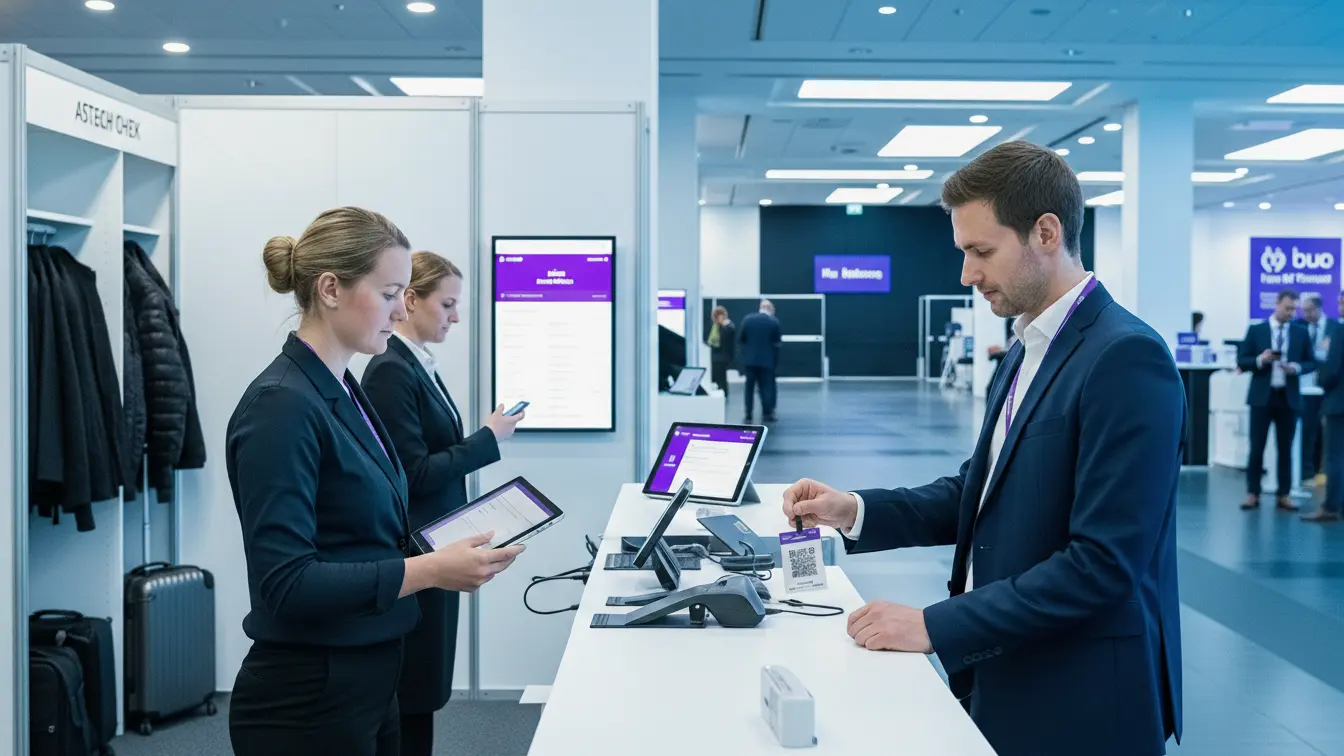
- all the information in one place
- personalised calendar and favourites
- immediate updates when changes are made
- easy navigation using digital maps
This creates a much more structured and enjoyable experience for participants.
The event app is therefore no longer seen as an add-on, but as an integral part of a professional event. This makes it clear that the question is no longer whether digital support is worthwhile, but in what form it offers the greatest added value. After all, different solutions are appropriate depending on the event format, objectives and budget.
An overview of the 3 event app versions
Not every event requires the same digital solution. That is precisely why, with Polario, we do not rely on a rigid model, but instead offer a range of event app options tailored to the event’s format, objectives and budget. Depending on the requirements, these range from a simple, quickly deployable web app to a bespoke event platform.
Web app: Getting started the easy way
For many events, a web app is the quickest and easiest way to get started. Participants access the content directly via their browser – usually via a QR code and without having to download an app. That is precisely what makes this option particularly accessible.
We use Polario primarily in situations where information needs to be made available quickly, easily and without any technical hurdles. This applies, for example, to smaller events, one-off occasions or formats with a limited budget. At the same time, ‘simple’ does not mean ‘limited’: even with a web app, you can present the agenda, speaker information, site maps or the latest updates in a centralised and professional manner.
The main advantage lies in its accessibility. Participants don’t need to install anything; they can get started straight away, and content can be updated on an ongoing basis. For organisers, this is a highly efficient way to establish initial digital processes and significantly improve the event experience.
Container app: The scalable solution
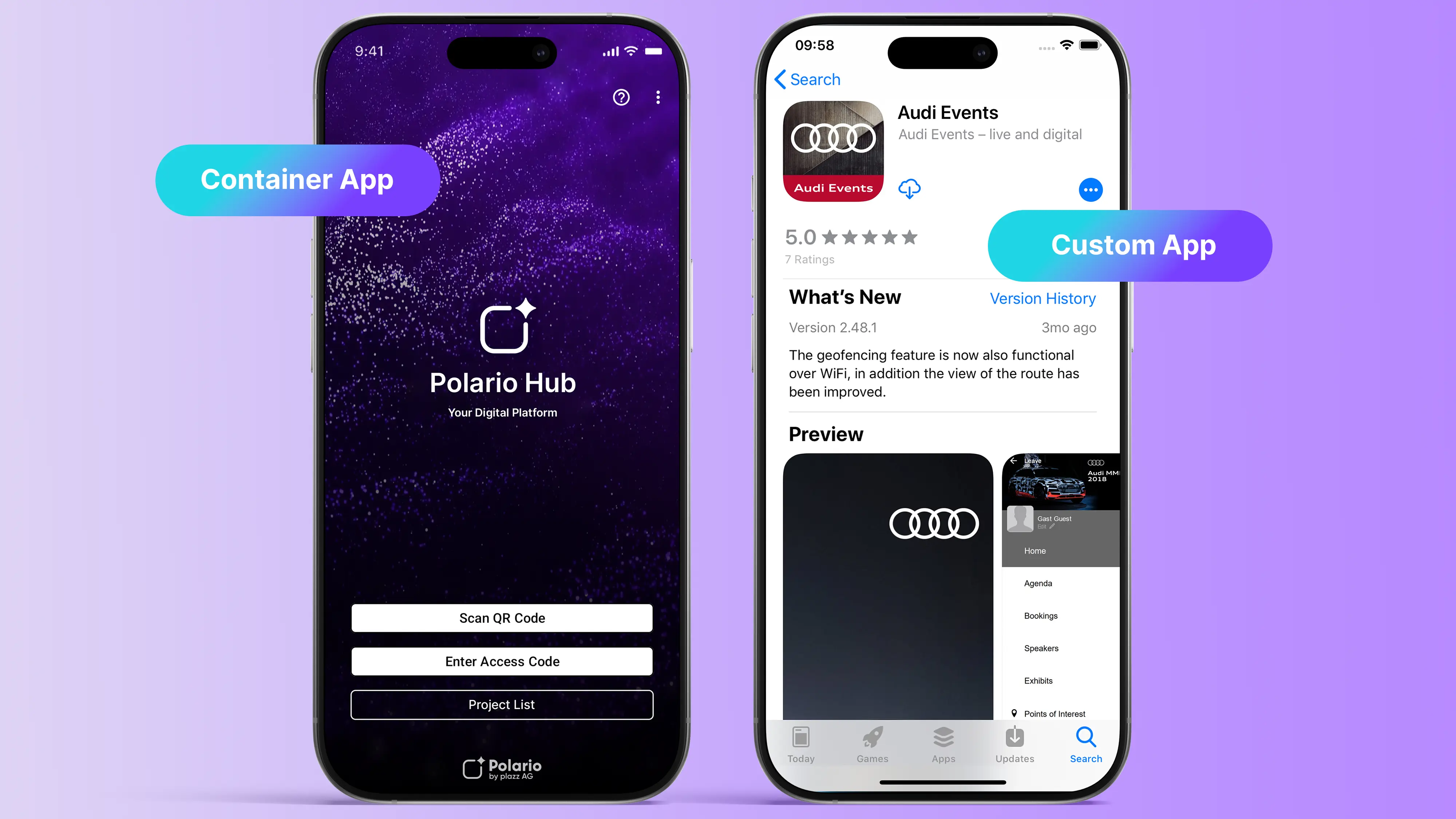
If events take place regularly or if the brand needs to be given greater prominence, a container app is often the next logical step. This is a native app that is already available in the App Store and can be used for multiple events.
We also implement this option using Polario when organisers are looking for a long-term solution that can be reused. Rather than having to start from scratch for every event, this creates a permanent digital environment in which content and formats can be reused time and time again.
This model is particularly useful for associations, organisations, companies or event organisers that hold several events a year. The benefits are clear: push notifications reach participants more directly, content can be distributed centrally across different events, and the brand remains visible at all times. This means the app becomes not just an event tool, but a reusable communication channel.
Custom App: The strategic platform
For larger, more complex or strategically significant events, we work with Polario to develop bespoke app solutions that go far beyond simply providing information. In such cases, the app becomes a central part of the event experience.
A custom app is always a good idea when processes, interaction and integration play a significant role. This includes, for example, networking features, matchmaking, booking appointments, multilingual content or integration with existing systems. It offers particularly high added value, especially for large conferences, international events or corporate functions with clear business objectives.
With Polario, we implement such solutions precisely where standardisation falls short. The app isn’t simply populated with content; instead, it is specifically tailored to the event concept, the participants’ needs and the organisational requirements. The result is a digital platform that not only supports the event but also actively helps to shape it.
ROI of an event app: Why it can be a worthwhile investment
Anyone who compares the ROI of an event app solely with the cost of printing or flyers is missing the point. The real economic benefit usually lies not in the paper saved, but in improved processes, reduced friction and a more engaging event experience.
An event app helps to centralise information, communicate changes quickly and guide attendees more effectively through the event. This takes the pressure off the organising team, reduces the number of queries and makes processes more efficient overall. Particularly for more complex events, this is often far more important than individual material costs.
Added to this is the added value for attendees. When content is easier to find, relevant connections are made more quickly and programme items are experienced in a more structured way, the quality of the entire event improves. This can have an impact on satisfaction, repeat attendance and interaction, and, in the case of B2B events, on concrete business opportunities as well.
Another factor is measurability. An event app makes it clear which content is effective, where interest lies, and how participants actually engage with the event. This not only allows for a better evaluation of the current event, but also enables more targeted planning for the next one.
The ROI of an event app therefore stems not primarily from savings on printing costs, but from more efficient processes, a better participant experience and reliable insights for future events.
Data & Analytics: The Underrated Advantage
A key difference between analogue and digital events lies in what can actually be measured after the event. Without an event app, many important insights remain hidden. In such cases, the evaluation is often based on individual opinions, gut feelings or subjective impressions from the organising team.
An event app, on the other hand, provides a much more robust data set. Organisers can see which sessions were particularly popular, which content received little attention, and where participants were most active. It also reveals which features are actually being used and where real added value is being created for the target audience.
That is precisely where the major advantage lies: decisions no longer need to be based solely on hindsight, but can be underpinned by concrete usage data. Content can be planned more effectively, programmes better structured, and future events developed on a much more solid foundation.
This aspect is becoming increasingly important, particularly for businesses and organisations. These days, events must not only be well organised, but also demonstrably successful. Data and analytics provide the necessary foundation for this.
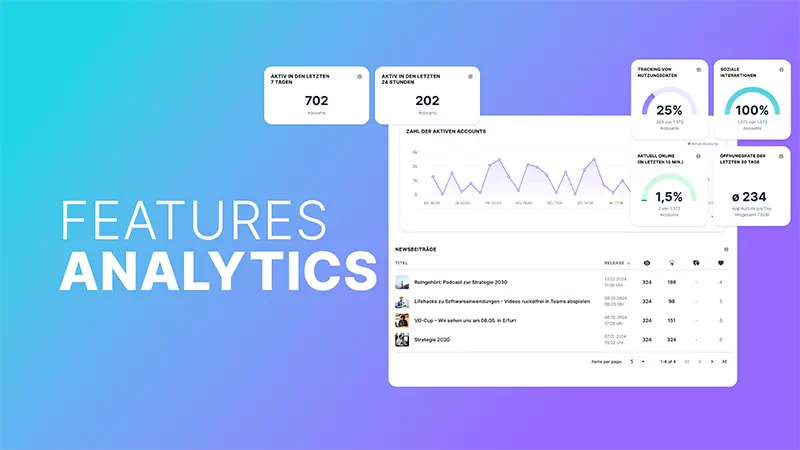
Analytics Feature
With the analytics feature, you gain valuable insights into your platform and can make data-based decisions.
Security & Data Protection: Digital events require trust
As events become increasingly digitised, the responsibility involved in handling data also grows. This is why security is not a secondary consideration, but a key requirement, particularly for corporate events, conferences or internal events.
Data is processed as soon as participants register, access personalised content or use networking features. This makes clear rules, secure processes and the responsible handling of this information all the more important.
It is not just a matter of GDPR compliance. In practice, other questions also matter, such as: Where is the data stored? Who has access to it? And how well can the solution be integrated into existing data protection and compliance requirements?
A professional event solution must therefore not only be functionally effective, but also inspire confidence. Security and data protection are not optional extras, but an integral part of digital event formats.
You can find out more about data protection, security and regulatory requirements with Polario on our compliance page:

Use Cases: How Polario Event App variants are used in practice
The added value of event apps becomes most apparent when you look at specific use cases. Polario is now used across a wide range of event formats – from large-scale conferences to corporate events and community platforms.
Major conferences & industry events
One example is the SPOBIS Conference, one of Europe’s largest sports business events. Here, the event app was used to provide a digital representation of the entire event – from the agenda and networking opportunities to interactive sessions. Attendees were able to find their way around, personalise content and network with specific individuals.
This approach is also evident at the Big Bang AI Festival: the app serves not only as an event companion, but also as a central platform for content, community and interaction – before, during and after the event.
Typical added value:
- centralised control of complex programmes
- better guidance for thousands of participants
- scalable networking
You are currently viewing a placeholder content from YouTube. To access the actual content, click the button below. Please note that doing so will share data with third-party providers.
More InformationCorporate events & internal initiatives
Companies often use Polario for internal and external events – from sales meetings to staff events.
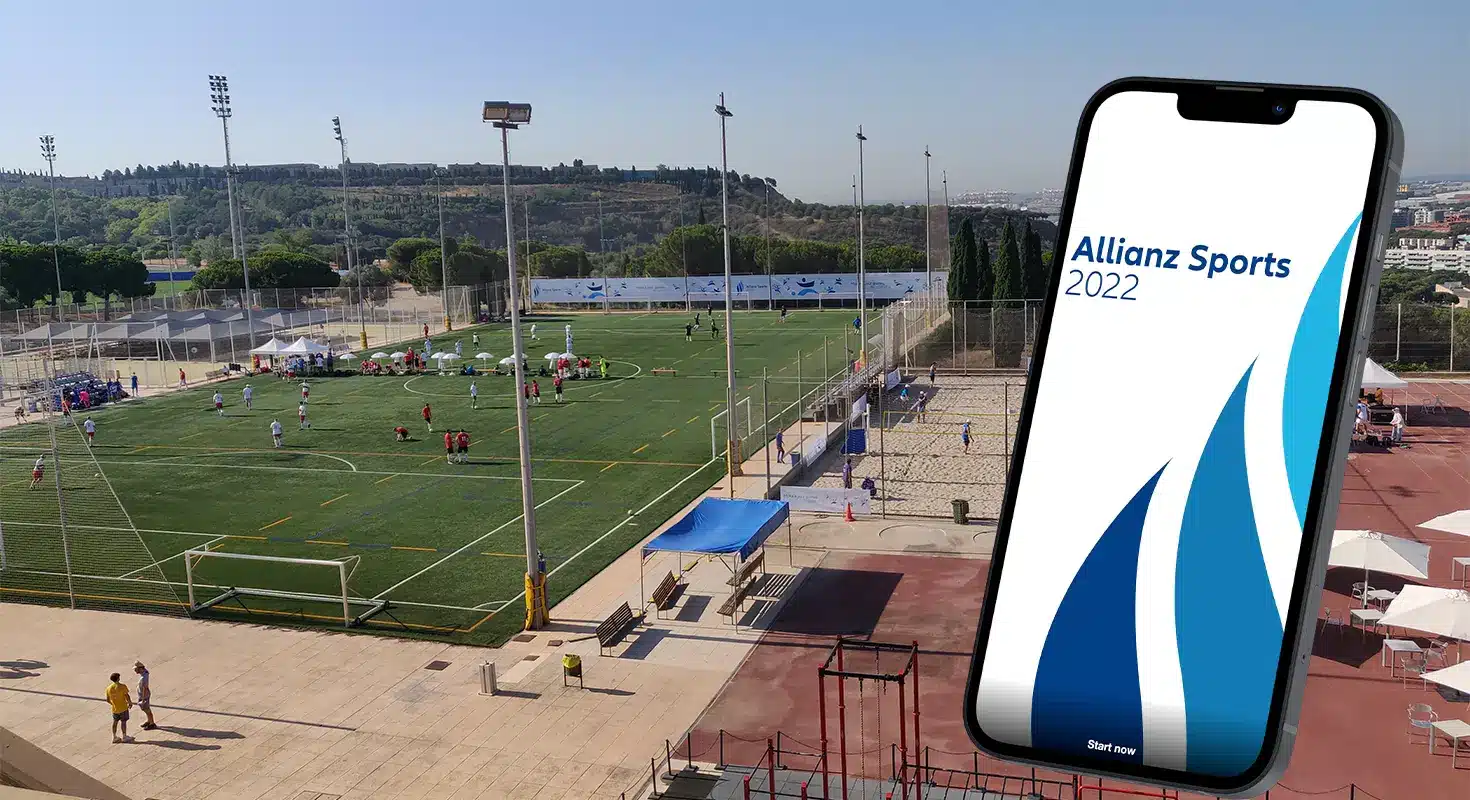
One example is Allianz Sports, where the app was used to centralise content, communication and participant interaction. Instead of fragmented information, this creates a consistent event experience for everyone involved.
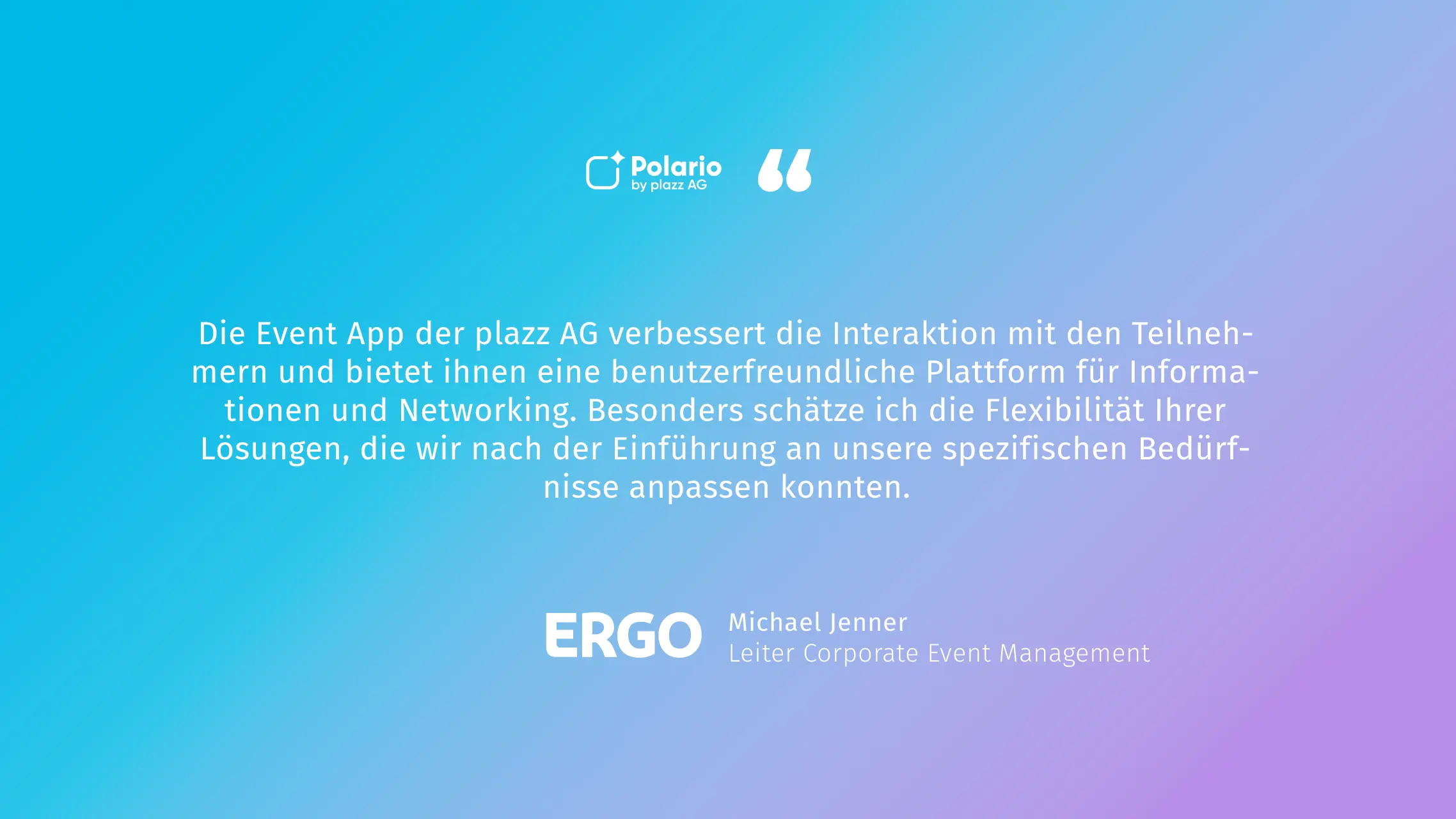
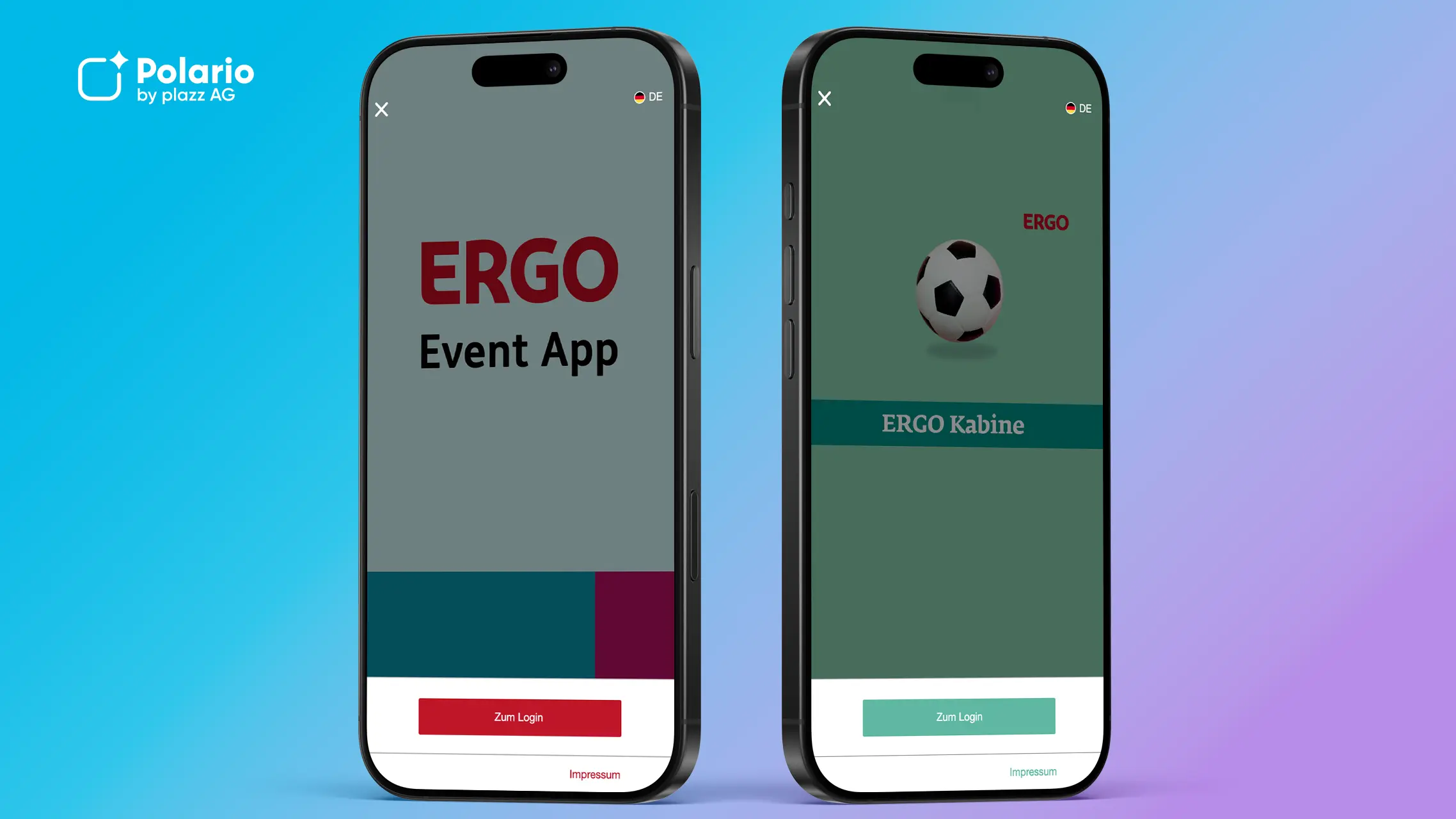
The operational benefits are also evident at companies such as ERGO: here, numerous events are organised and managed efficiently on a digital platform each year – with clearly structured processes and centralised communication. In the case of high-frequency formats – such as ERGO’s portfolio of over 100 events a year – it becomes particularly clear just how much a centralised platform simplifies processes. Planning, communication and execution can be standardised whilst remaining flexible enough to be adapted as needed.
Typical added value:
- Clear communication instead of email chaos
- a more efficient and scalable organisation for large-scale events
- greater employee involvement
- Reusability of structures
- a consistent participant experience across multiple events
Community and series formats
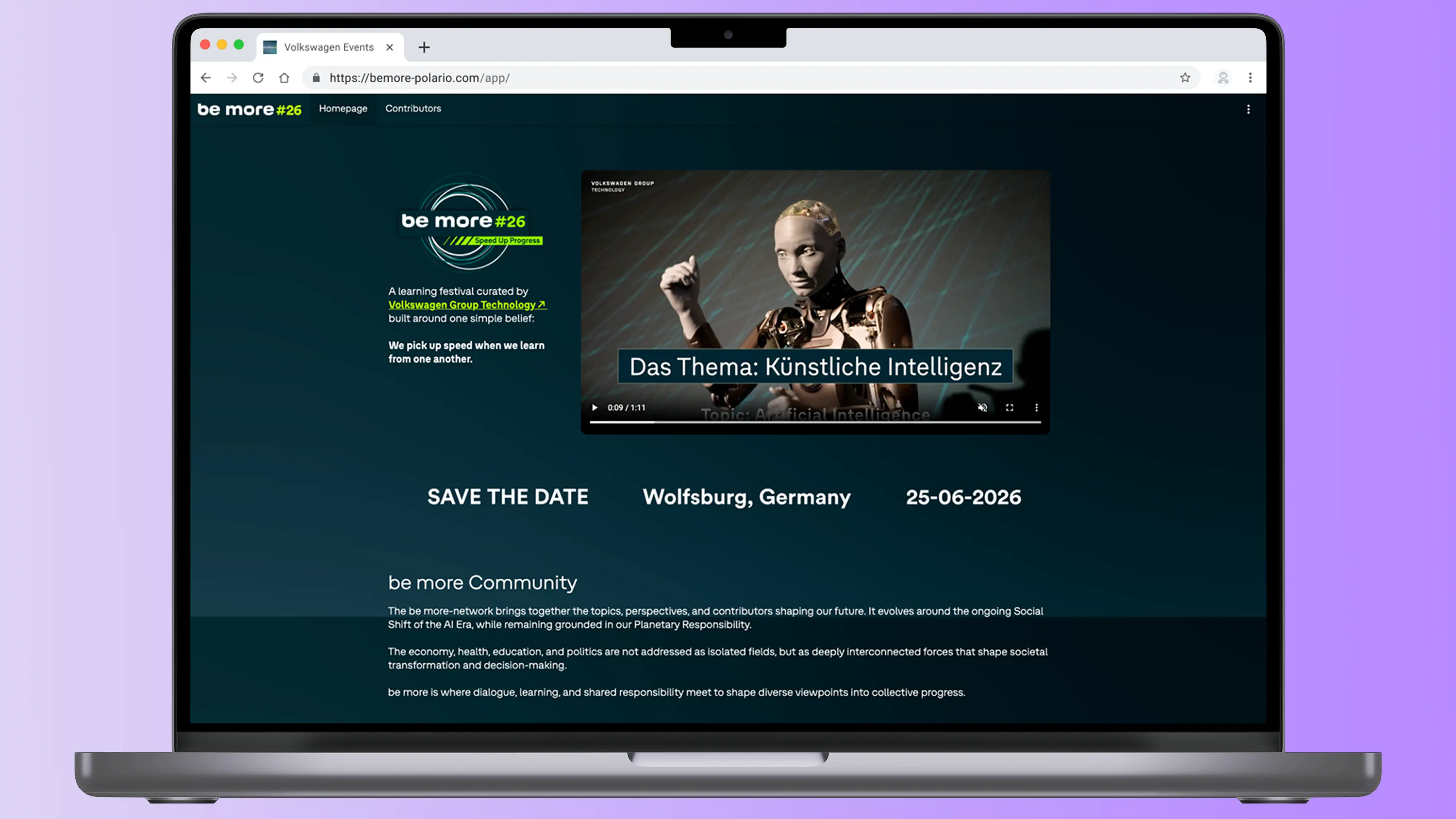
One example of its use within a web app is Volkswagen Group Technology’s internal event series ‘be more’. The series focuses on future-oriented topics such as artificial intelligence, transformation and sustainability.
In this context, the event app serves as a central hub for content, the programme and communication relating to the individual events. Participants can quickly find their way around, access content and view the latest information – without any additional hurdles such as downloading apps or complex logins.
The benefits of a streamlined solution are particularly evident with recurring internal formats: content can be adapted flexibly, events organised efficiently, and communication remains consistent across multiple dates.
Typical added value:
- quick and easy content delivery
- Centralised communication for internal audiences
- efficient organisation of recurring events
Enterprise & DAX-listed companies
Polario is also used by numerous large companies, including DAX-listed firms. In total, several hundred organisations and over a dozen DAX-listed companies already use the platform for their events and communication initiatives.
In this context in particular, issues such as scalability, integration and data protection play a key role. The app is used here not just as an event tool, but as an integral part of the digital communication strategy.
Conclusion
The question is no longer whether an event app should be used.
The crucial question is:
Which type of event app offers the greatest added value for your event?
This is because the demands placed on events have increased significantly today. Content must be flexible and adaptable, participants expect a seamless experience, and at the same time, events are expected to be measurably more successful. This is precisely where different types of event apps come into play.
Today’s options range from simple, quick-to-implement solutions to complex, strategic platforms. The key is to choose a solution that suits the event format, the objectives and the budget – no more and no less.
Those who use these tools strategically not only create more efficient processes, but also enhance the participant experience, encourage greater interaction and lay a solid foundation for the long-term development of events.
Frequently asked questions (FAQ)
Do I really need an event app for my event?
Not every event requires a complex solution. But as soon as there is a need to keep information up to date, guide participants or facilitate interaction, an event app offers clear advantages over traditional solutions.
Which event app is the right one?
That depends on the size of the event, the budget and the objectives. A web app is often sufficient for simple requirements. Recurring events benefit from a container app, whilst large or strategic events make a custom app the sensible choice.
How much does an event app cost?
The costs vary depending on the version and scope of features. However, it is not so much the price that matters, but rather the added value delivered through more efficient processes, a better participant experience and measurable results.
Do participants actually use an event app?
Yes, provided access is straightforward and there is a clear benefit. Solutions using QR codes and browser access significantly lower the barrier to entry and are well received in practice.
What advantages does an event app offer over traditional solutions?
An event app enables centralised communication, real-time updates, better wayfinding and additional opportunities for interaction. It also generates data that can be used to optimise future events.
Is an event app GDPR-compliant?
Modern event app solutions such as Polario are designed to be GDPR-compliant and offer features for secure data processing, access control and compliance requirements.