 Skip to content




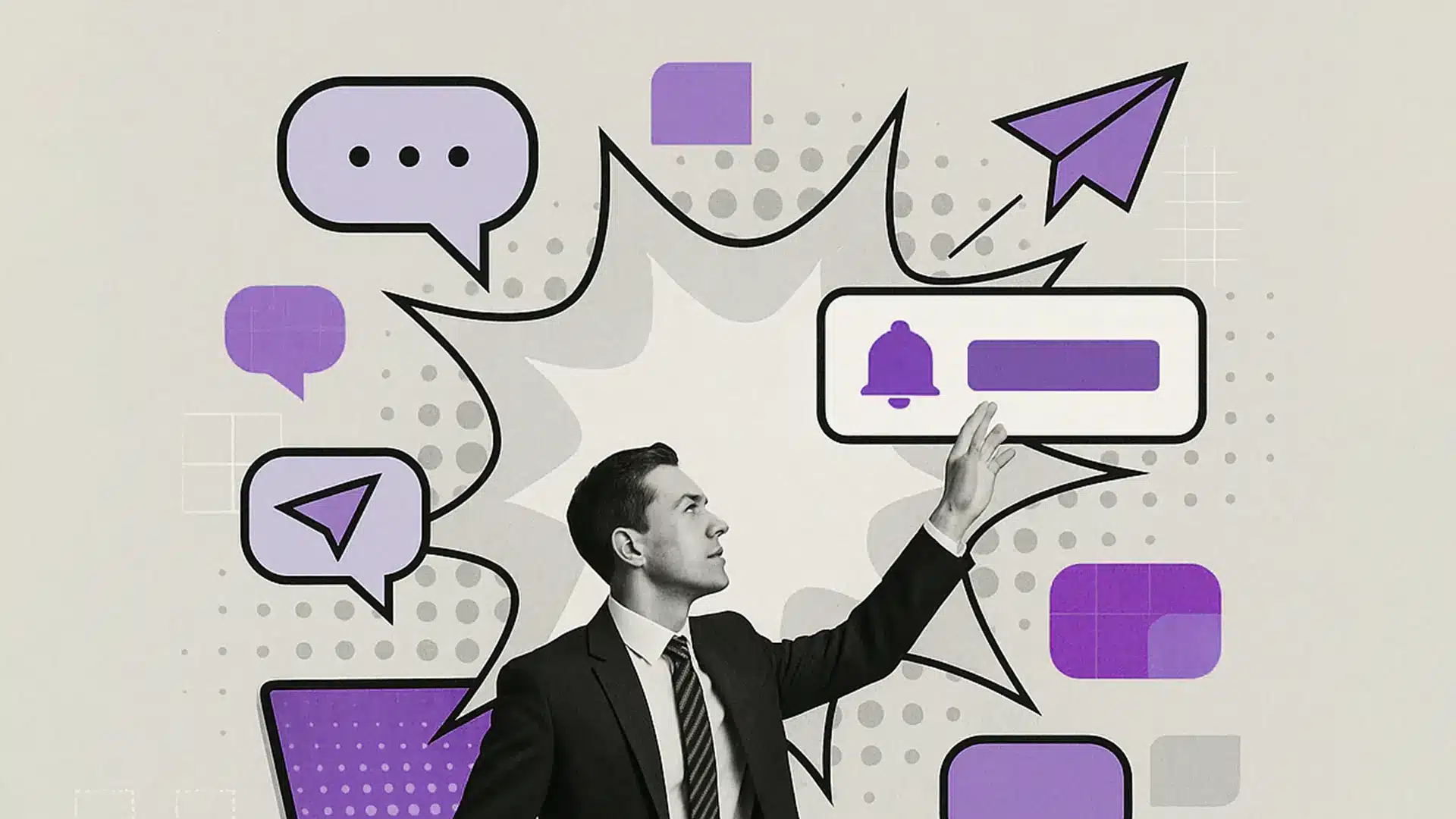
For a long time, internal communication was primarily understood as an organisational task, with fixed channels, clear routines and limited use of technology. This logic is coming under increasing pressure. Decentralised teams, mobile working methods and the demand for information to be available at all times are fundamentally changing how communication must function within companies.
The article “Internal Communication: Definition, Goals, Tools & Practical Examples” provides the conceptual basis for this topic. It describes the components of internal communication and how they interact strategically. However, this foundation alone is no longer sufficient to fully reflect today’s reality.
Internal communication: definition, goals, instruments & practical examples
Internal communication explained clearly. With goals, suitable channels and tools. Practical with KPIs, checklist and customer example.
Der Beitrag „Interne Kommunikation digitalisieren: Trends, Hybrid Work & KI“ erweitert diese Perspektive um die technologische Dimension. Im Fokus steht die Frage, wie digitale Plattformen, mobile Lösungen und intelligente Automatisierung dazu beitragen, interne Kommunikation skalierbar, anschlussfähig und zukunftssicher zu gestalten, insbesondere in hybriden Arbeitsumgebungen und bei vielfältigen Zielgruppen.
Digitising internal communication: Trends, Hybrid Work & AI
Those who digitalise internal communication gain reach, speed and measurability, especially with non-desk worker target groups. This is because the digital transformation has fundamentally changed internal communication. Away from paper-based processes and purely analogue meetings towards networked, flexible and data-driven communication solutions.
A central element of this development is employee apps that bundle various communication instruments, tools and channels into a single, user-friendly platform.
Employee apps as the linchpin
Modern internal communication via employee app combines news feeds, chat functions, document storage, event management, surveys and much more in a single tool. The pragmatic way to digitalise internal communication: mobile app as a central interface + integrations.
Advantages
- Central contact point: All important information in one place.
- Target group-orientated content: Push messages only to relevant groups.
- Interactive functions: Surveys, comment areas and feedback tools promote dialogue.
- Integration: Connection to HR systems, calendar, e-mail and project management tools.
Example: At Magdeburger Verkehrsbetriebe (MVB), the app connects the transport service, administration and control centre. Fast updates reach all employees regardless of their location.
Changes through hybrid & mobile work
Hybrid and mobile working models have changed the expectations of internal communication. Today, employees expect to be able to access company information anytime and anywhere. Whether working from home, on the move or in the office. This means that internal communication in hybrid work remains binding and inclusive.
Effects
- Asynchronous communication is becoming more important as teams no longer work simultaneously.
- Mobile-first is the standard: content must be optimised for smartphones.
- Accessibility is becoming increasingly important so that all employees, including non-desk workers, stay informed.
Example: A field service employee receives the latest security information as a push notification directly on their smartphone instead of having to wait for the next team meeting.
Trends & future prospects
Internal communication is becoming increasingly personalised, integrated and data-driven.
Important trends
- Personalised information feeds: Content tailored to role, location or interests.
- Integration of collaboration tools: Seamless transitions between communication, project management and document storage.
- Visual & interactive formats: More videos, live streams and interactive surveys instead of text-only posts.
- Platform consolidation: Fewer tools, but more functionality per platform. Or integration of existing tools in one solution, such as an employee app
Opportunities through automation & AI
With automation in internal communication, routine updates are delivered reliably and accurately. Automation and artificial intelligence (AI) open up new possibilities for you:
- Automated content: Birthday or anniversary greetings, shift schedules or standard messages are sent without manual effort.
- Content recommendations: AI analyses user behaviour and suggests relevant content.
- Sentiment and trend analyses: Sentiment analyses evaluate comments and feedback in order to identify the need for action at an early stage.
- Language and translation functions: AI-supported translations enable multilingual internal communication in real time.
- Ensure continuity: Fixed publication rhythm to build up expectations.
The digital transformation of internal communication is not a luxury, but a prerequisite for success in a flexible, globally networked working world. Companies that rely on integrated, data-driven platforms at an early stage will secure a clear advantage in terms of employee retention, efficiency and innovation.
Downloadable PDF checklist
Turn theory into practice: our checklist for better internal communication clearly summarises all the important steps from this guide, with clear to-dos that you can realise immediately.
🖇 Get your free PDF now and start optimising right away!

